
After chats with local people on the Bee Walk, our Community Ecologist Eric shares this blog about how bees are affected by the hot weather and what we can do.
Bumblebees struggle to fly when temperatures exceed 30°C and start to die when temperatures exceed 35°C. As well as directly affecting the bees, drought stress leads to plants producing less nectar and pollen meaning the bees have less to feed to their larvae, resulting in less bees and queens in the long run.
Many of you reading this won’t need convincing in the importance of bumblebees, but to put it in economic terms, they are the most important pollinators in the UK. Pollination in the UK is valued at around £1.8 billion with bumblebees in particular being vital for crops of beans, raspberries, strawberries, blueberries, oilseed rape, apples and many others.
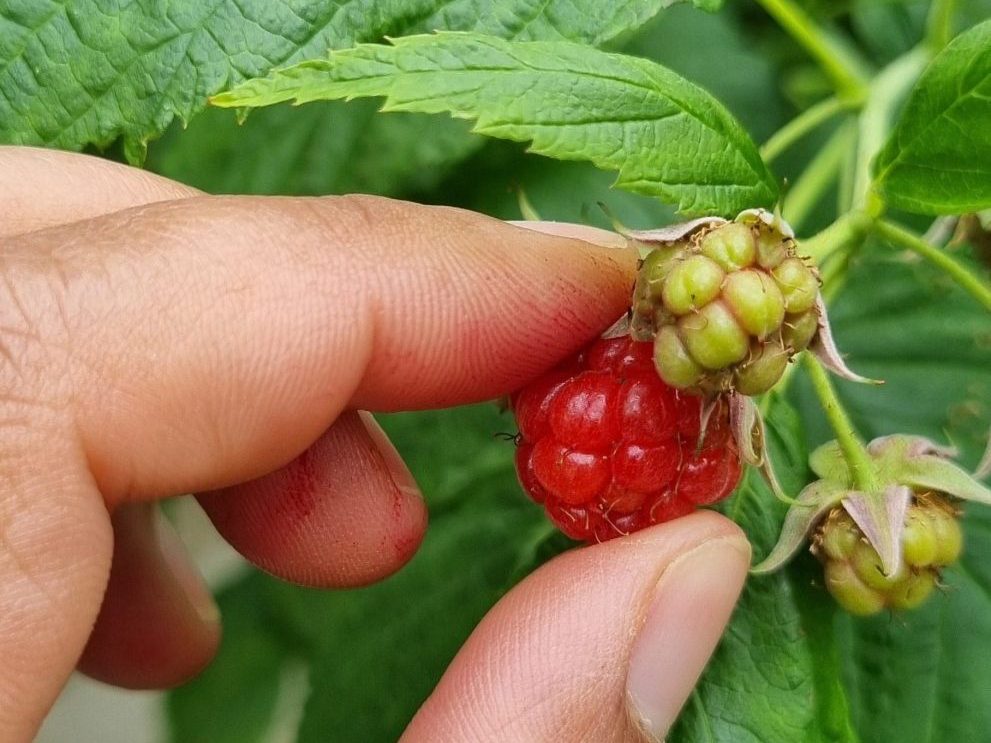
This is not to mention the ecological role they play pollinating flowering trees and plants which will then support a host of other insects which go on to feed birds, bats, amphibians and other species – as well as capturing carbon.
So what can we do?
Creating a mini meadow in your garden will ensure there is a resilient network of pollinator stepping stones. Gardens also often have more shade meaning that meadows in partial shade can be vital nectar sources alongside garden hedges and other plants such as potted lavender.
On our last Bee Walk there was one garden in particular which had over 30 bumblebees on their patch of lavender – and the ‘weedy’ wildflowers such as bristly ox-tongue, thistle and ragwort were also popular bee choices for July.
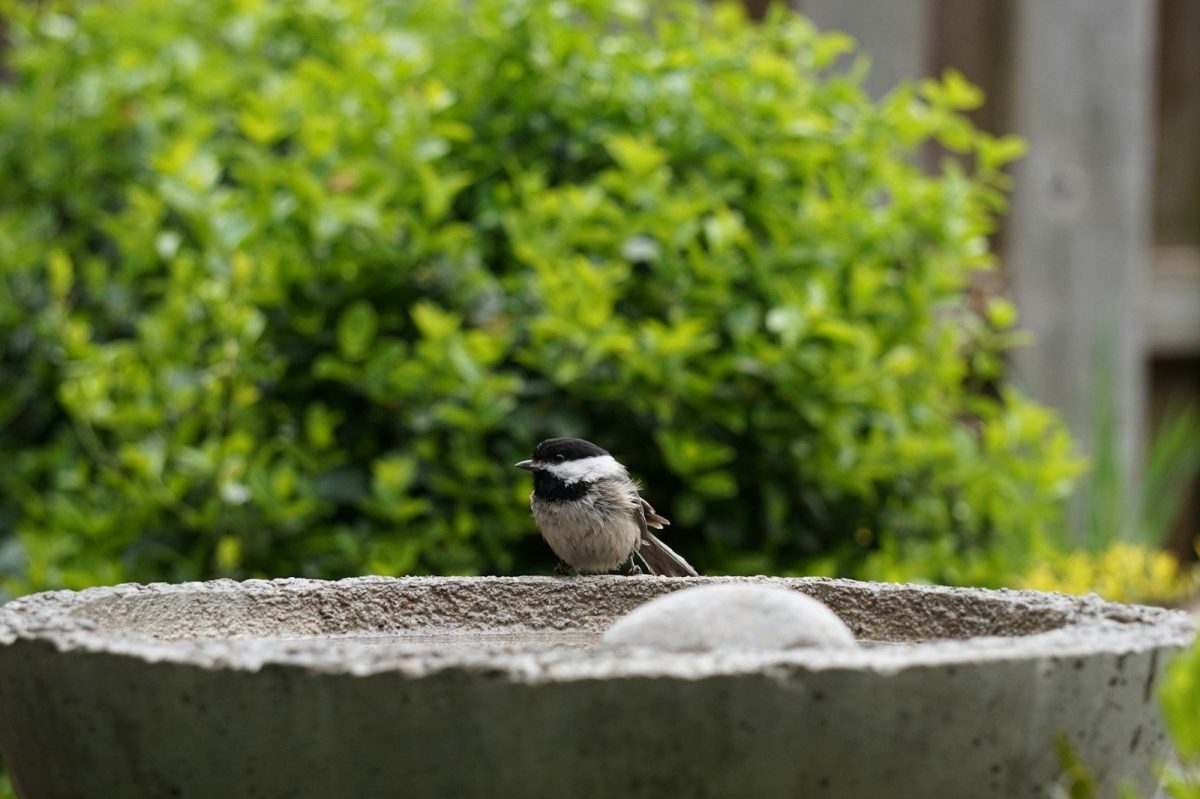
You can also put out a shallow, wide container full of water. As well as providing a place for birds to bathe, drink and shower, this can be an essential source of water for bees in the heat. Just make sure you have some pebbles, rocks or a shallow beach at one end so they have somewhere to stand or can crawl out if they fall in!
You can also create shady pockets (either with a log pile or plant a tree this winter to provide shade for years to come!), and try to keep your flowers/wildflowers watered – providing important nectar when some of the natural sources may be scorched off in the heat.
If you want to join the Bee Walk and be part of building national data on bees, you can get more info here, contact Eric to join the WhatsApp(ecologist@lockleazent.co.uk) or follow us on Facebook for updates.
To get involved with looking after our local nature, you can join us every couple of weeks for Really Wild Wednesdays, or use our videos and resources to get ideas for your garden.