
what is field stories?
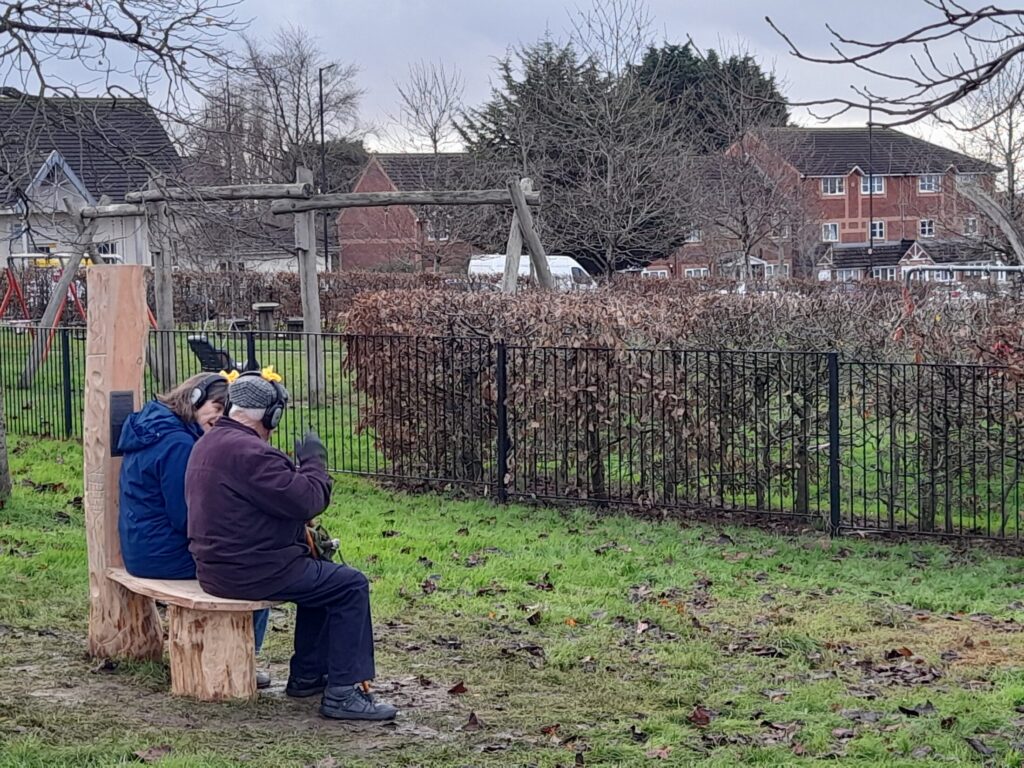
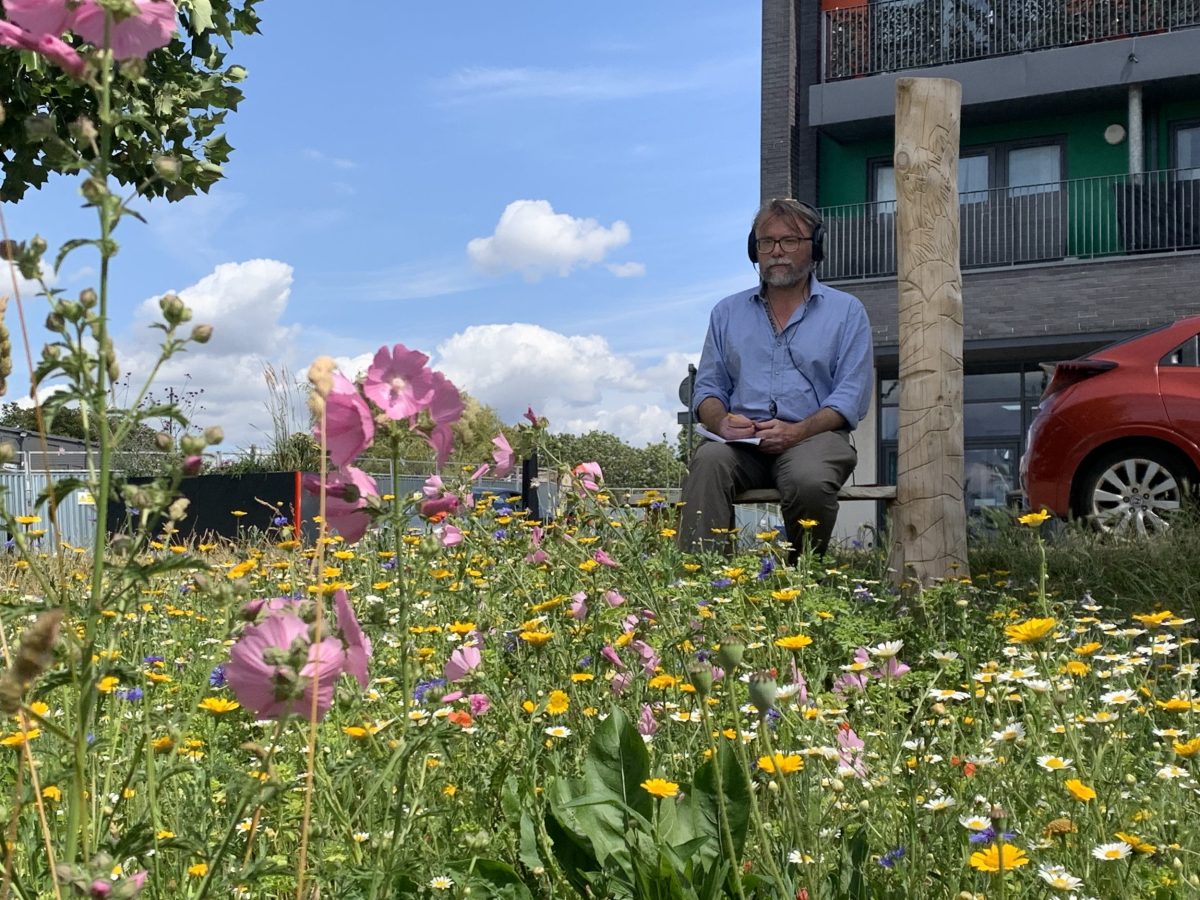
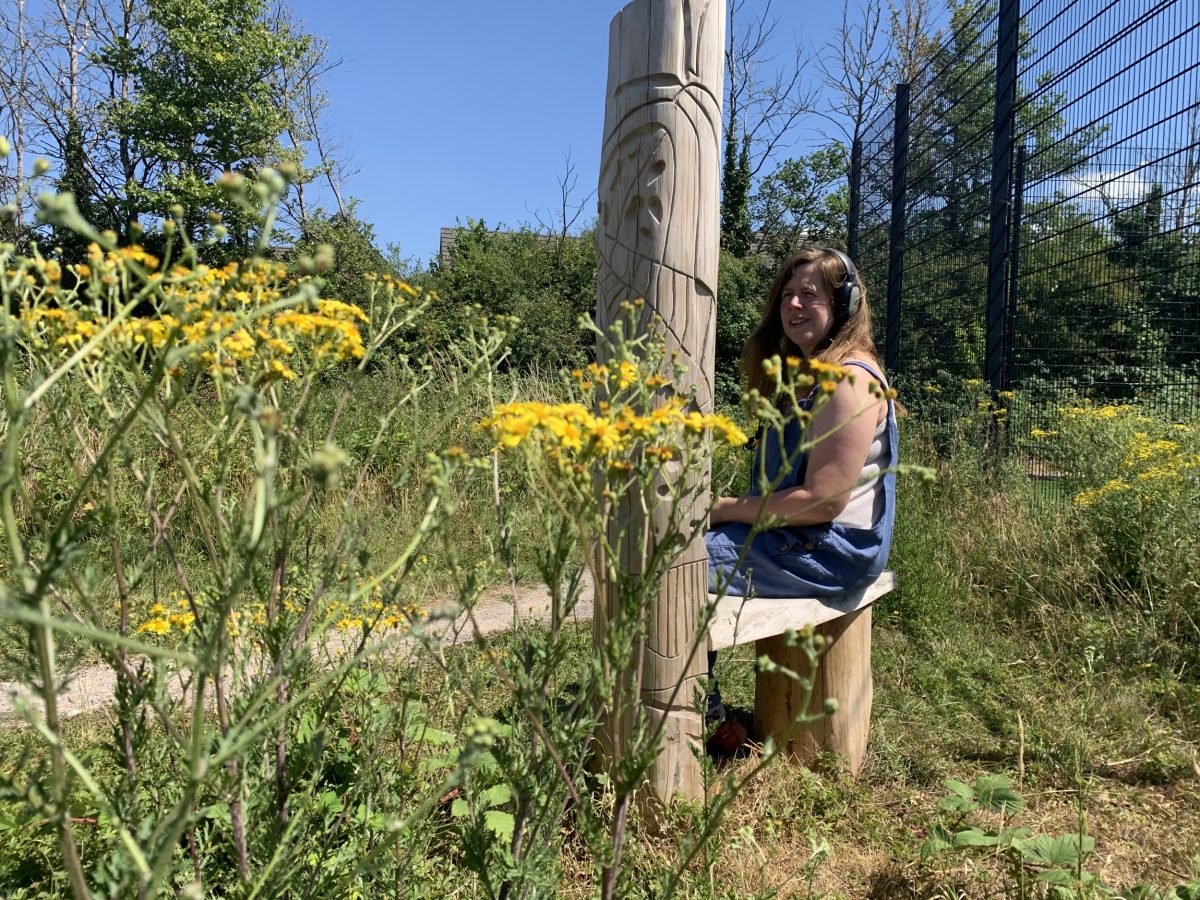
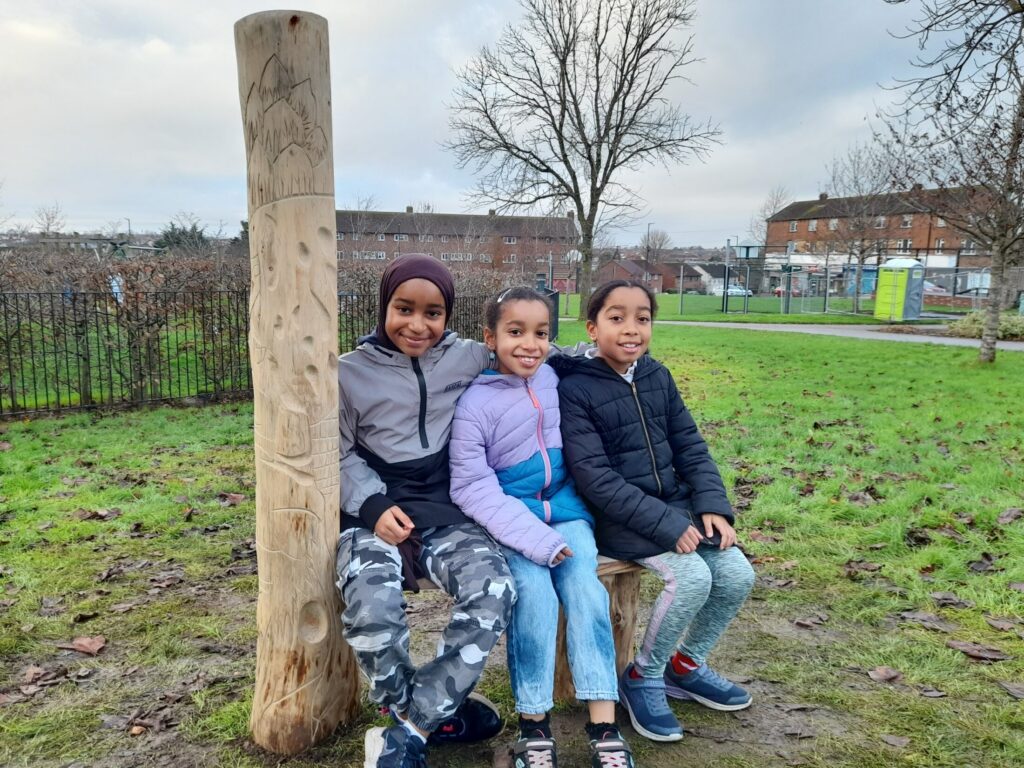
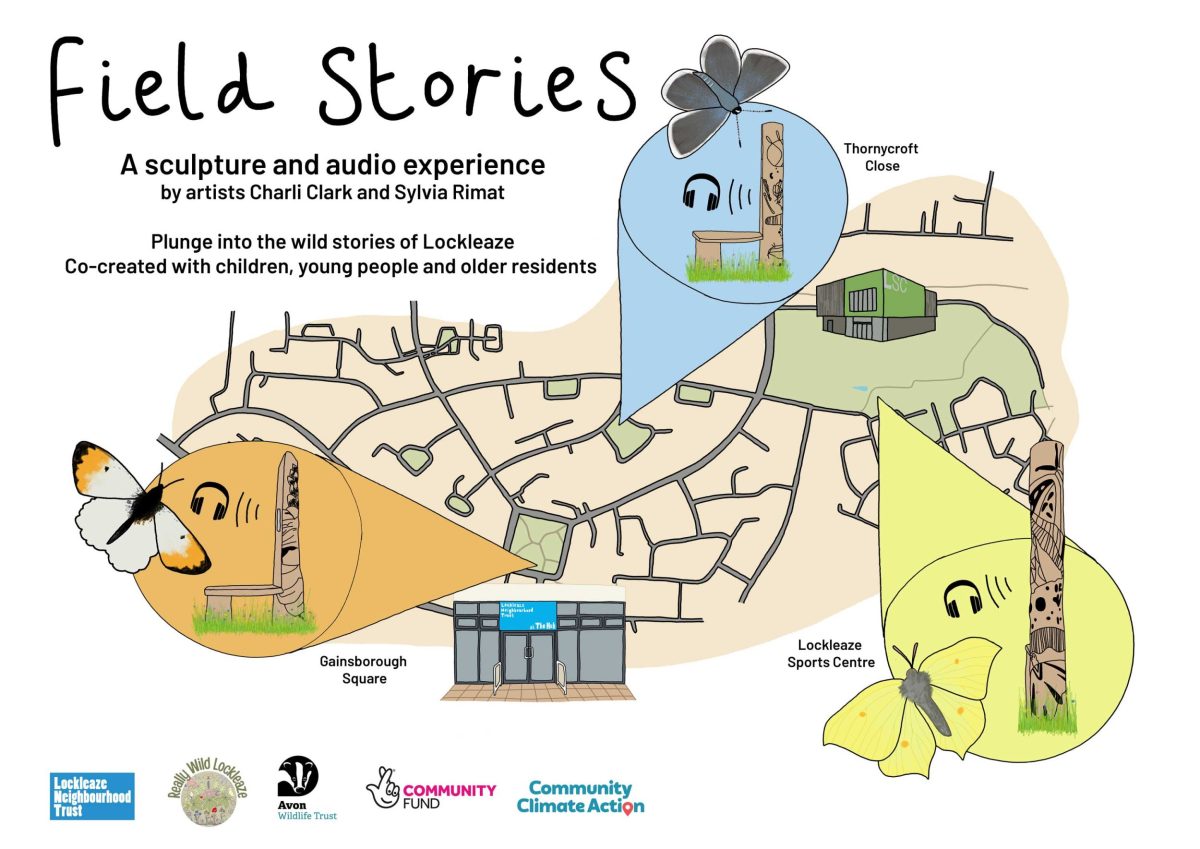
Field Stories is an artwork created by Charli Clark and Sylvia Rimat, and our community. It consists of three carved sculptural benches, each with its own audio work.
The carvings are made from designs co-created by local children, inspired by butterfly species local to Lockleaze. On each bench is a QR code linked to an audio journey through Lockleaze’s nature history, where you can experience members of our community sharing their personal wildlife stories. All you need is your smartphone and a pair of headphones, so you can experience the full sound design.
where can i see it?
The benches are at Gainsborough Square, Thornycroft Close, and the back of Lockleaze Sports Centre. The ‘Field Stories’ audio works are best to be experienced on site, as they have been tailored to the green spaces where the benches are located. You are invited to take a seat, watch the wildlife and observe the bench carvings whilst listening to the audio experience. However, you can access the audio works online via this link.
guided walk
The Field Stories Guided Walk takes you on a ~2km circular walk encompassing all three benches. Download below or pick up a printed copy from the Hub, Gainsborough Square.
creating field stories
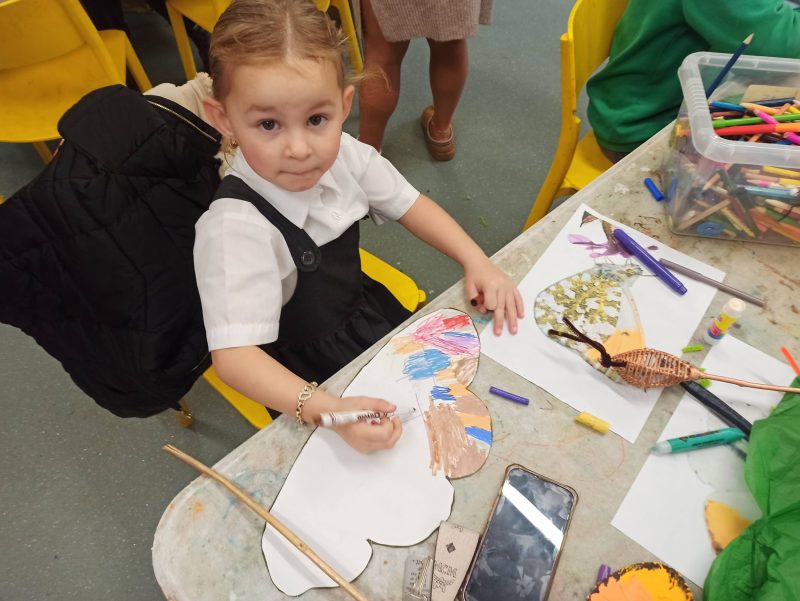
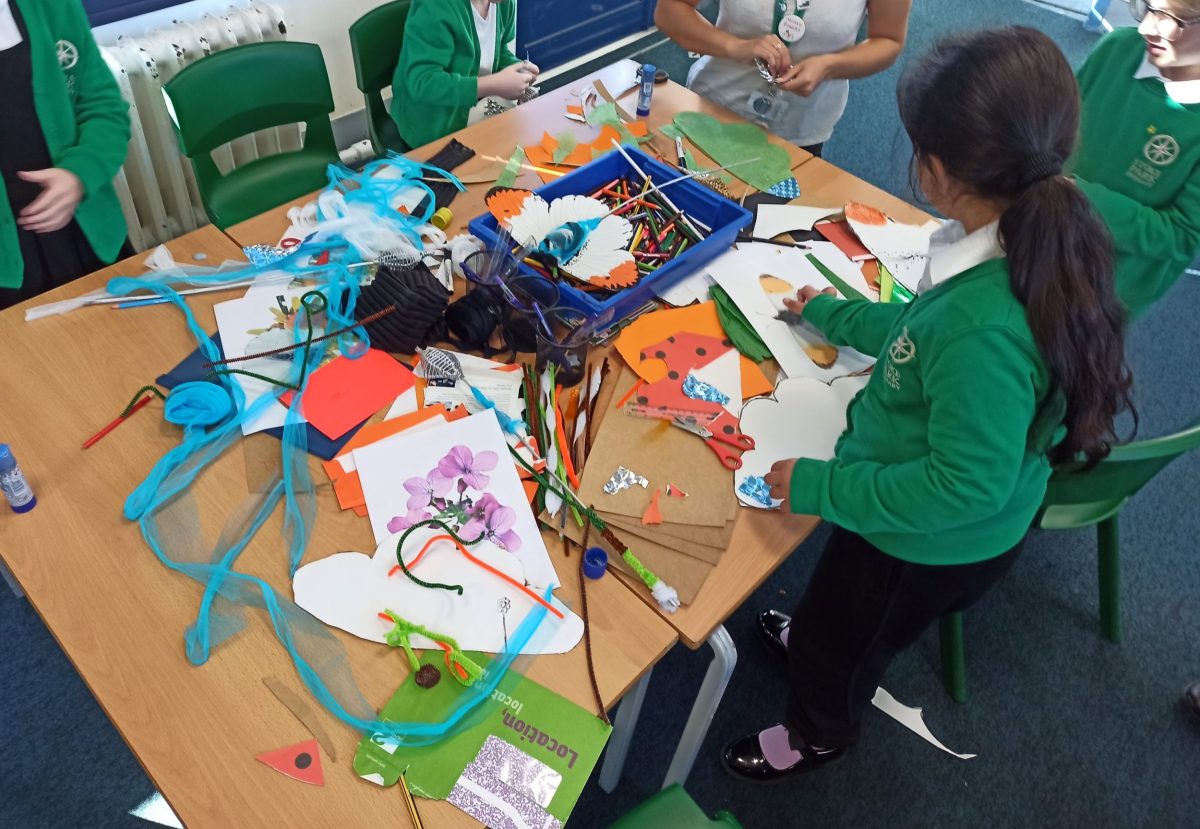
Field Stories was co-created in workshops with year 7 students at Trinity Academy, year 3 students at Stoke Park Primary, and children at the Vench, as well as through interviewing older people at local coffee groups and an art club. Older residents were asked about their first memories of Lockleaze and any green spaces and wildlife they remembered from back then.
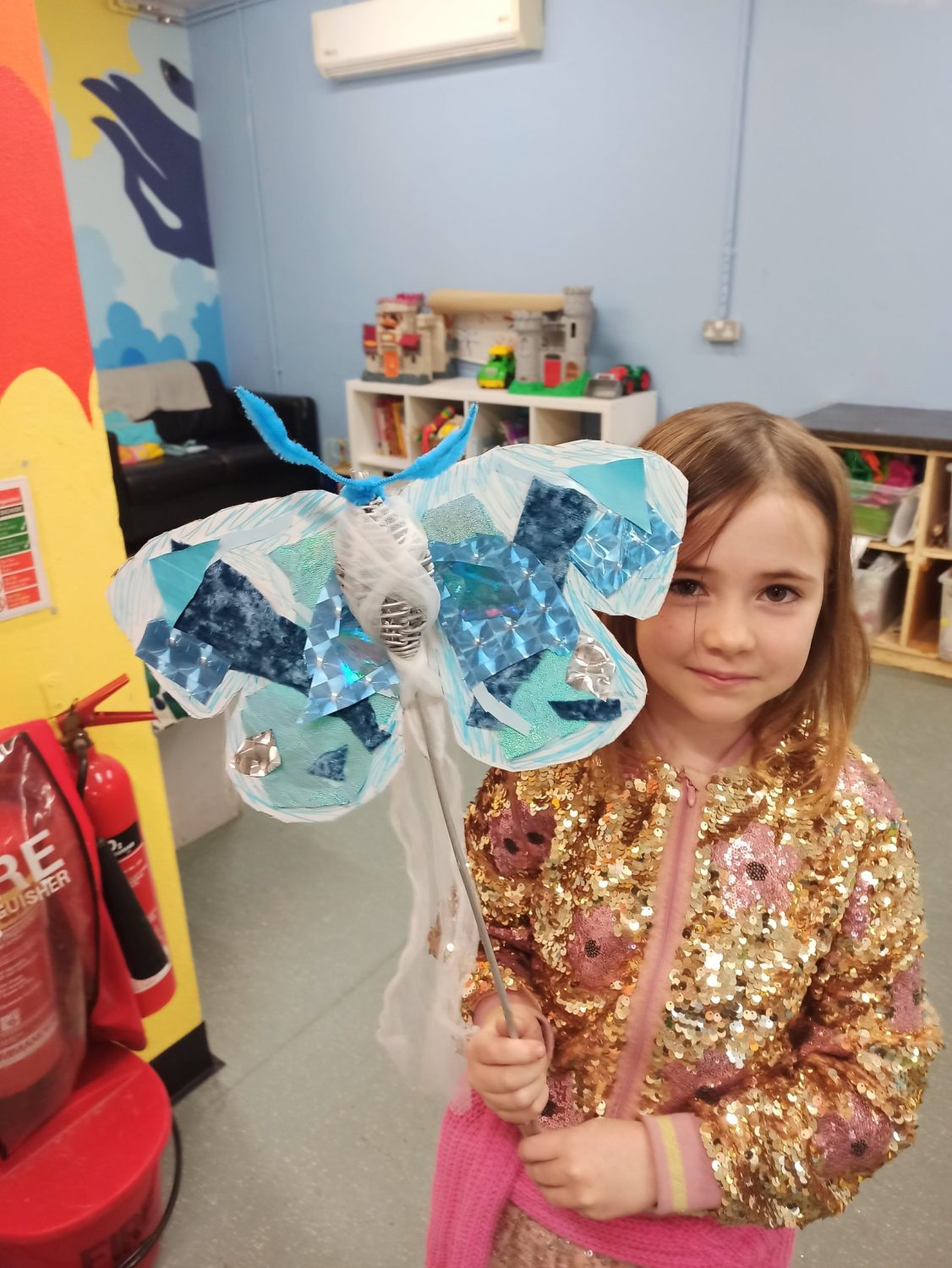
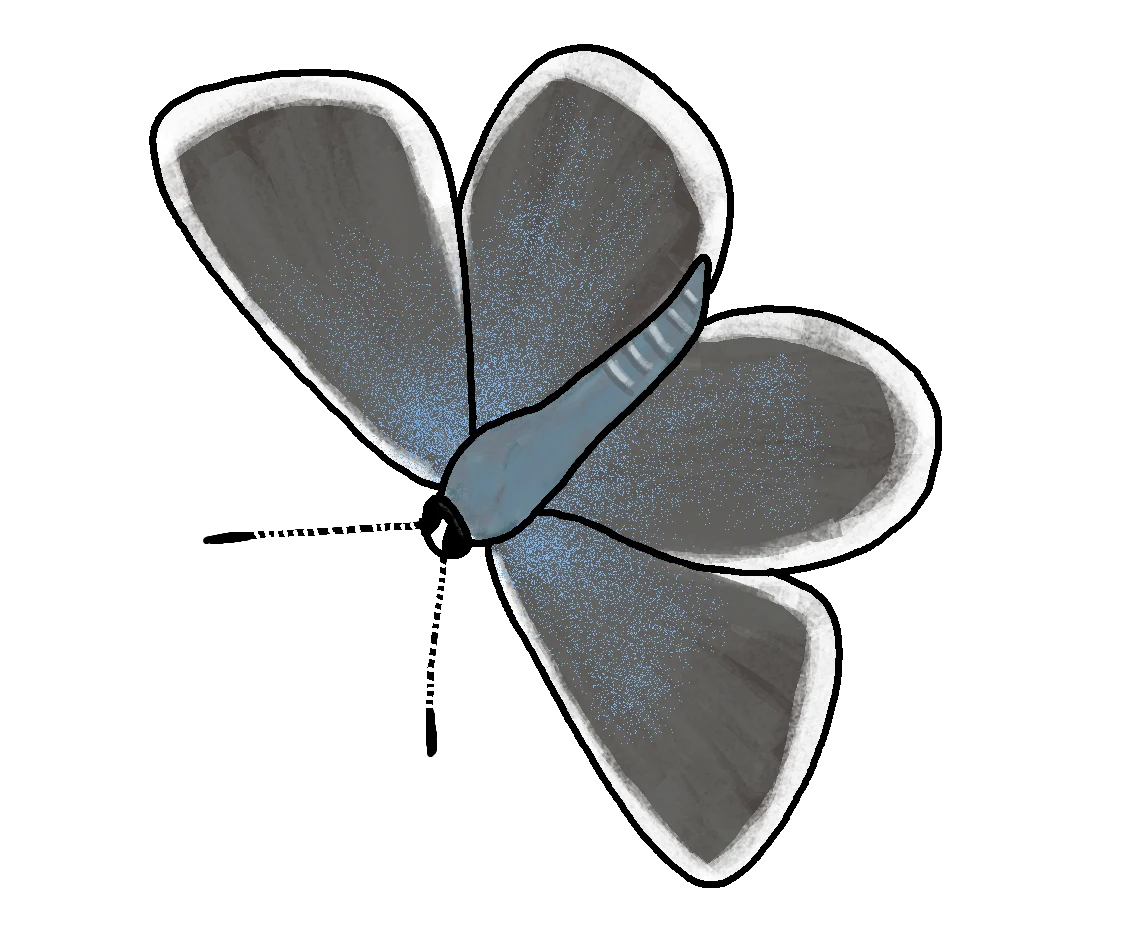
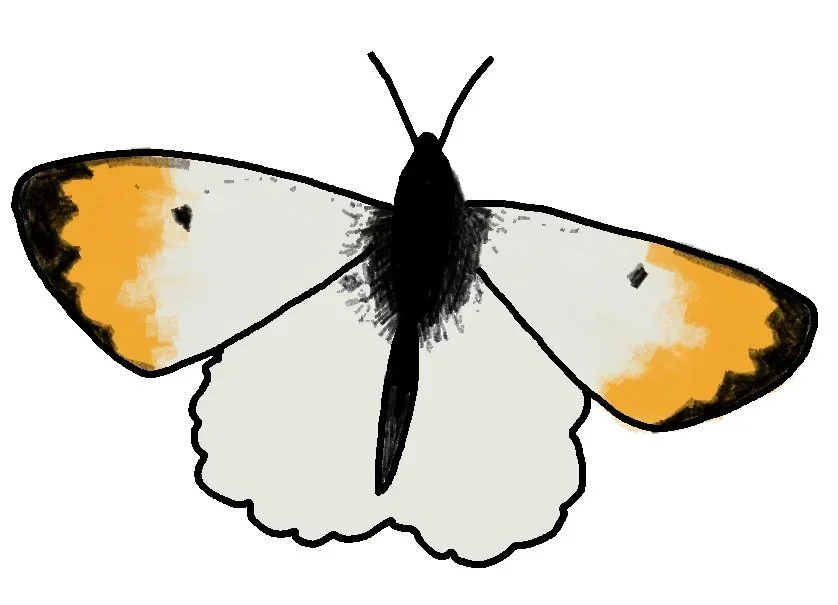
Children and young people were asked to share their personal wildlife stories of Lockleaze, and what they would do to make Lockleaze a greener and more sustainable neighbourhood if they had special superpowers. The children created brimstone, small blue and orange-tip butterflies out of recycled materials after studying the wing colours and markings of those butterflies. They also learned about the food plants and other plants that are necessary for their survival.
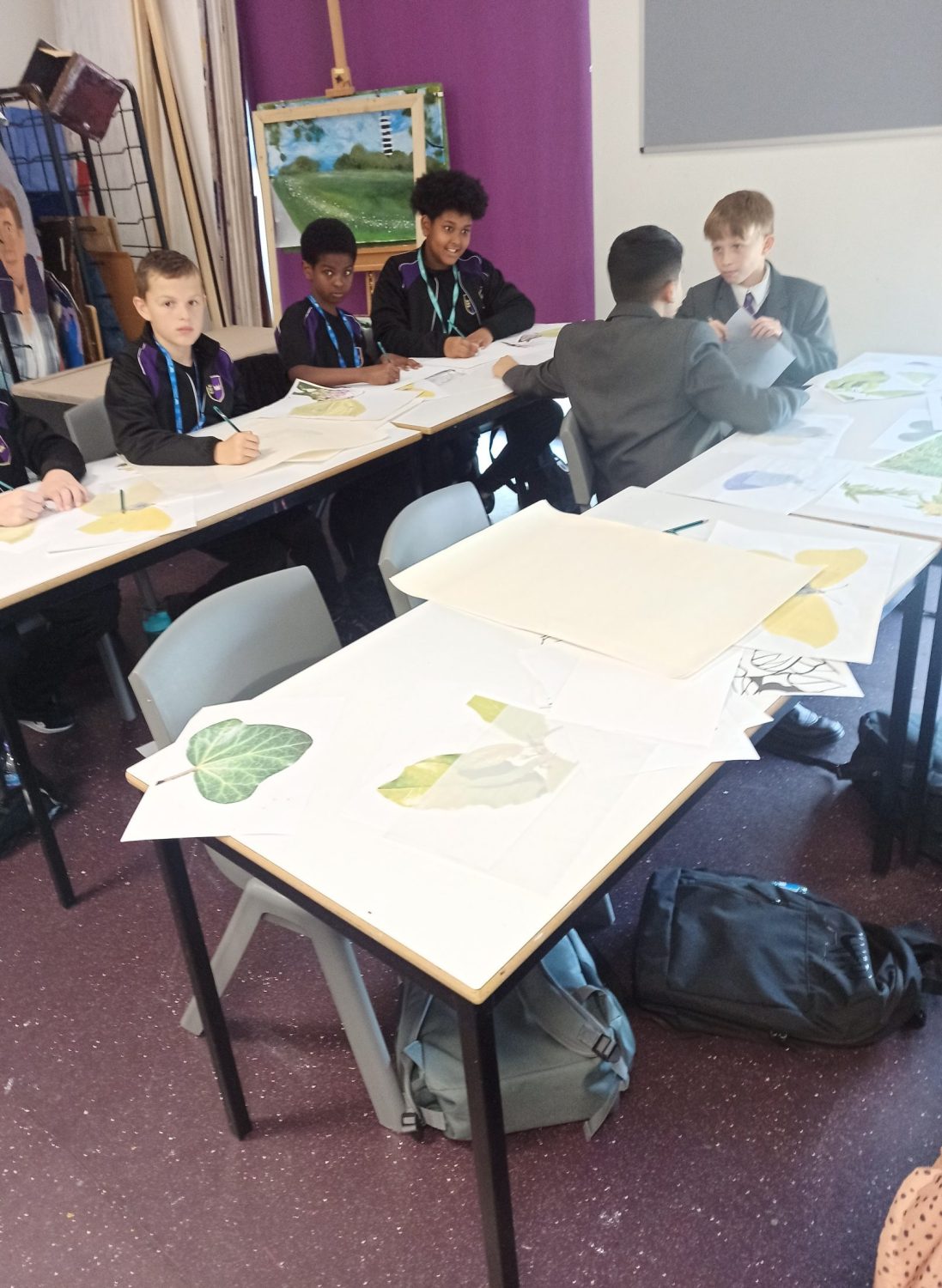
The young people at Trinity Academy designed abstract patterns through studying the butterflies’ wing markings and foodplants, and then made models of how the benches could look. Three of the patterns were carved onto the benches, each representing one of the types of butterfly. The young people also told us which locations they would recommend for the benches to be placed.
why butterflies?
In Lockleaze, populations of brimstone, small blue and orange-tip butterflies are being strengthened by creating and supporting new habitats through the Really Wild Lockleaze project.
The small blue butterfly has been spotted at the railway line, but doesn’t yet have a population in Stoke Park. Its caterpillar only eats one plant, kidney vetch, which is known as its food plant. Through planting this in strategic locations such as Lockleaze Sports Centre, we hope to increase the size and stability of its habitat. We have also planted alder buckthorn to support the brimstone butterfly.